
Everyone Wants the Bicycle Kick
Mastery is nothing more than obsessively focusing on the fundamentals.

One afternoon, my seven-year-old son came to me, excited about a new soccer kick he saw on TV that he called “super cool.” He wanted to learn it because it was an “advanced kick.” The kick was the “bicycle kick,” credited to a Chilean soccer player named Ramón Unzaga in 1914. The player falls backward and, while airborne, kicks the ball overhead — a way to strike a ball that is hard to reach any other way, often to surprise the defense or score a goal. An advanced, high-risk, low-frequency move used only in very specific attacking situations. Not part of the fundamentals of soccer.
For a week, all he talked about was mastering this kick, because he thought it would give him an unfair advantage.
I would just listen to him. After a week had passed, he brought up the bicycle kick again and said how great it was. As I was driving him to soccer camp, I explained that if he really wanted to master soccer, there were three things he needed to do: Show up. Focus on perfecting the fundamentals, forever. The third? Do his best and forget the rest.
But just like my son got distracted by the super cool bicycle kick, so do most of us in our life endeavors, whether it’s a hobby we’re trying to master, a sport, relationships, or a career.
Mastery is nothing more than obsessively focusing on the fundamentals. Like building any structure, a strong foundation is all that matters if you want the structure to hold up.
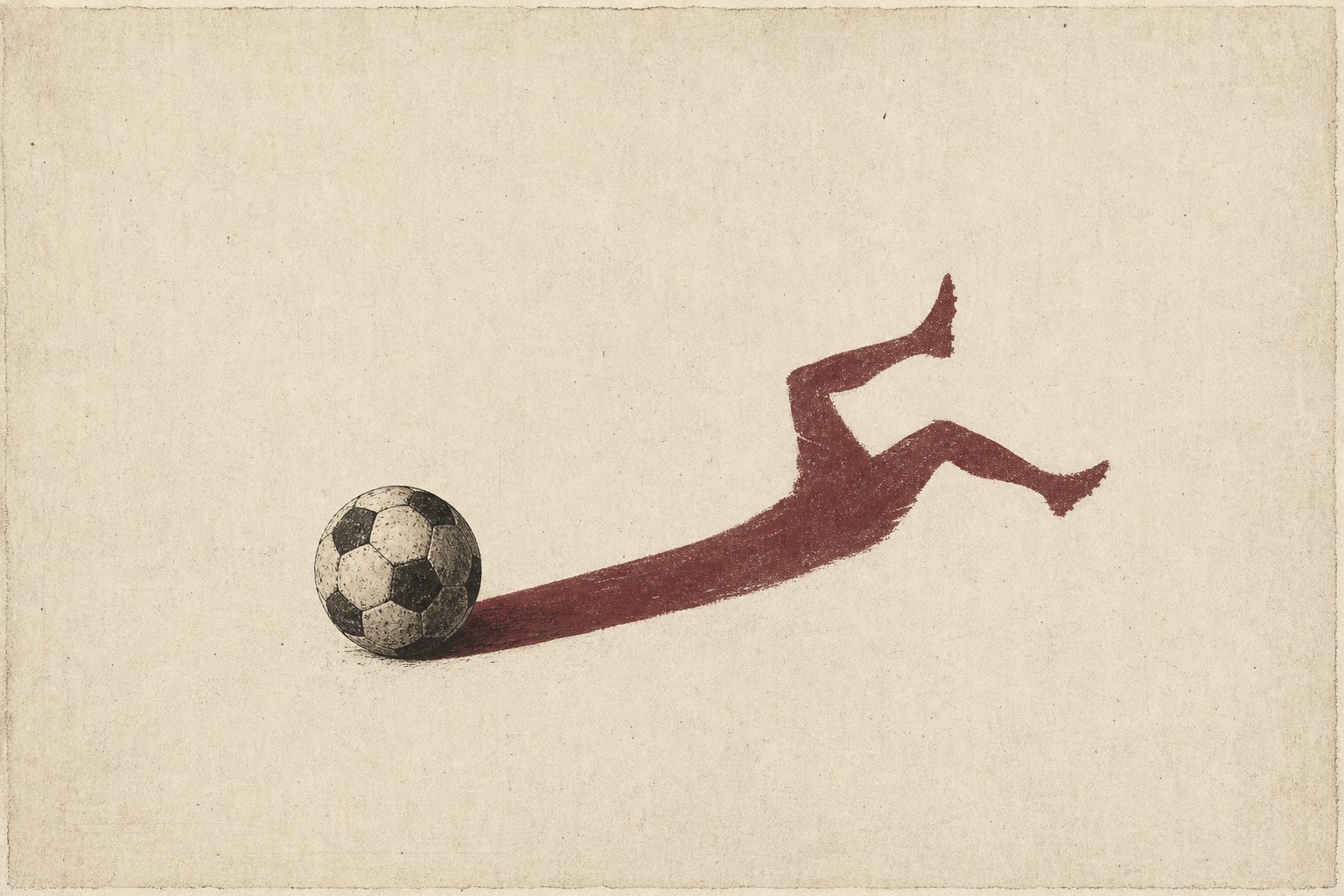
So if the fundamentals are the core, the base, the foundation of everything we do, why do we, as adults, forgo the simplicity of this lesson? There are many reasons, but the one I want to focus on is the need for clout and relevance — in other words, ego and Epistemic Arrogance. I can’t count the meetings in my career when an executive walked in with an algorithm of technical complexity to solve problems that, like most problems, require a simple, straightforward solution. How many executives have I encountered who speak “high-level business talk” and turn out to be “all talk, no show?”
Then I meet or work with super successful entrepreneurs, and it’s all the meat and potatoes of business: Have a great product or service, make sure your expenses do not surpass your top-line revenue, build the best team possible and take care of them, understand that human capital is all the capital, period.
That’s it. Very simple. But like all fundamentals, there’s depth in them. Most want to forgo the fundamentals and focus on complexities that will yield a few percentage points for the organization. But why squeeze a few drops when you haven’t maximized all the value the fundamentals can yield?
Back to my son. I keep repeating the same thing again and again. Before I drop him off at school or practice, I constantly remind him to do his best and forget the rest, which he responds to by saying, “Dad, it’s so embarrassing.” I’ve become one of those dads, but I won’t stop giving my advice or repeating my message because I see him gradually applying it in what he does. Fundamentals first and always, forever.