Discipline 1 min read
The Inner Citadel
Marcus Aurelius had absolute power and still wrote that the only real escape was inward. Self-care only works when you confront what's within your own mind.
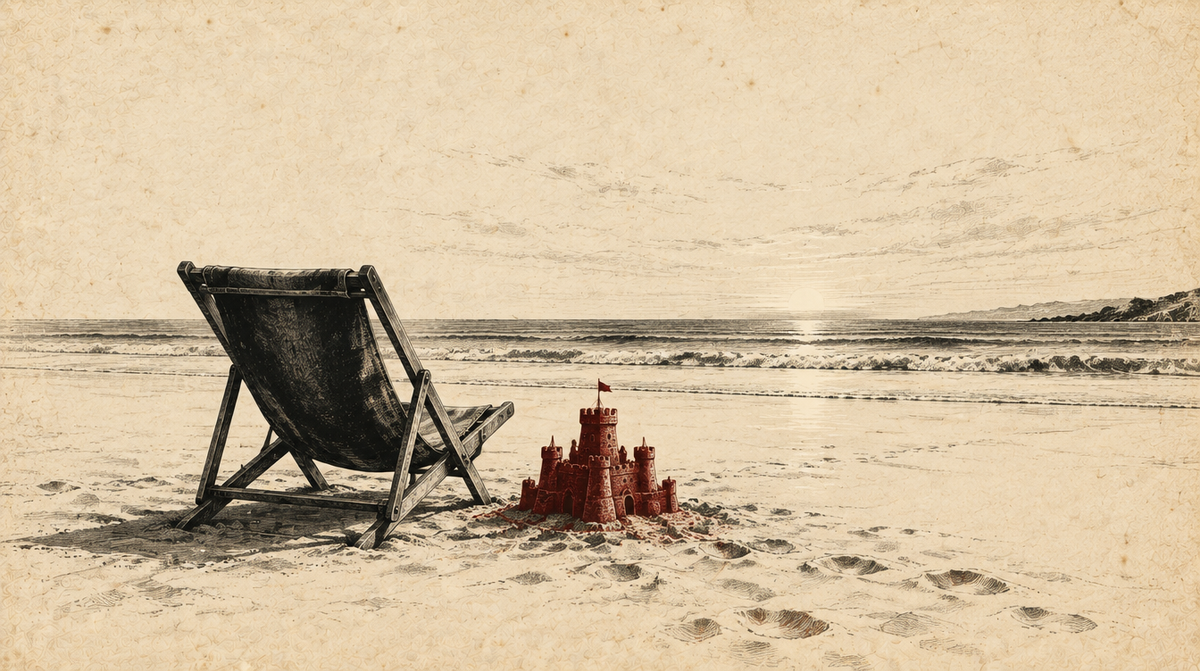
Self-care. People talk about it constantly now. How you define it for yourself is what makes things interesting. For some, it's a walk. For others, it's an appointment, a therapist, a weekend away.
In Meditations, Marcus Aurelius — Emperor of Rome, a man with absolute power to do whatever he wanted whenever he wanted — wrote:
"People try to get away from it all—to the country, to the beach, to the mountains. You always wish that you could, too. Which is idiotic: you can get away from it anytime you like. By going within. Nowhere you can go is more peaceful—more free of interruptions—than your own soul."
Even in Roman times, people were seeking self-care. Marcus Aurelius was not anti-travel, but as a Stoic, he believed in the inner citadel — the idea that you can look within yourself and find an internal retreat to wash away the stress of daily life. If your mind is cluttered, anxious, or stressed, those feelings will follow you wherever you go.
For me, training... is hard. It takes discipline to get after it and to remain quiet about it, day in and day out. No headphones, no distractions, especially during the running phase. My feet hit the pavement, and that's all I hear, along with the faint sounds of the city in the predawn hours. The quiet creates space for calibration. Thoughts rise naturally. Problems get worked through from different perspectives. This is what reinforcing your inner citadel looks like.
I've tried the cruises, the destinations, the weekends away. In the end, self-care only works when you force yourself to confront what's within your own mind. No destination will change that. Life's problems have a nasty tendency to stay with you until you face them from within.