Leadership 1 min read
The Train Never Stops
Empathy goes a long way. But empathy must be met with the burden of command, because the team depends on you.
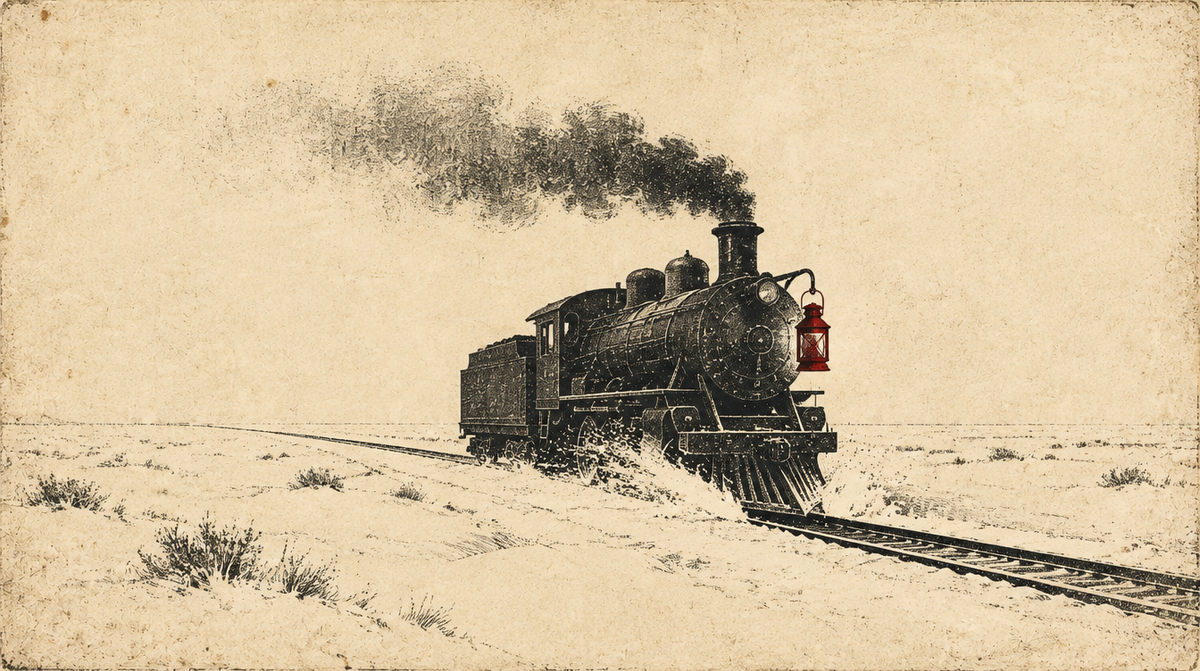
“The only way to keep the roads clear is to keep plowing ahead, no matter how much falls on us.” — Greg Kincaid
The train never stops. Early in a career, you’re naïve enough to think that when you leave a team or a company, there will be a hole to fill. That things won’t be the same. The reality is seldom true. Your position gets replaced, and the mission continues without skipping a beat.
The harder version of this lesson comes from the other side. As a leader, you will watch people leave your team — voluntarily, involuntarily, sometimes through tragedy. And as tough as those events are, your job is to keep the team on task. The mission has to continue. That is the nature of the beast.
This is the part of leadership most people don’t want to talk about. You will confront situations where someone on your team is going through something terrible, and your job is to stay calm, acknowledge it, and keep moving. Empathy goes a long way. But empathy must be met with the burden of command, because the team depends on you.
When tragedy hits, people will come to you for guidance, or simply watch how you react. The job is to set the example: acknowledge what is happening, hold the standard, and point at the next task.
Why? Because it’s what we do. The world keeps spinning. What’s done is done, and lingering doesn’t serve anyone — least of all the person you’re grieving alongside.
“If you’re going through hell, keep going.” — Winston Churchill